
About Us | In-Awe Interiors Inc.
The Consumer's Choice for Interior Design Lethbridge
METICULOUS | DIVERSE | VISIONARY
LETHBRIDGE INTERIOR DESIGNERS
About Us
In-Awe Interiors Inc. is a full-service interior design firm in Lethbridge, Alberta, serving residential, commercial, hospitality, retail, office, manufacturing, and healthcare clients across Southern Alberta. Founded in 2009, our locally owned and operated studio brings thoughtful planning, creative design, and practical project support to spaces that need to function beautifully.
Our innovative and diverse team of interior design professionals brings extensive experience to a wide range of project types. Through thoughtful collaboration, technical knowledge, and a strong understanding of the interior design industry, In-Awe Interiors has built a reputation for delivering highly respected results for clients throughout Southern Alberta.

Design Team (left to right)
Holly McNair – Led Design
Tracey Shipman – Founder
Our Approach
Tracey Shipman, business owner/operator, has been creating stunning, awe-inspiring designs in Europe and North America for over two decades, earning her a reputation as a leading professional in her field. Furthermore, Tracey and her team are passionate about our built environment and its effect on one’s well-being.
As a team, In-Awe Interiors Inc. strive to create interior spaces that evoke health, well-being, serenity, exploration, discovery, creativity, and productivity. This is why the company’s goal is to enrich our built environments for the mind, body, and spirit, with optimal effects felt in both residential and commercial settings.
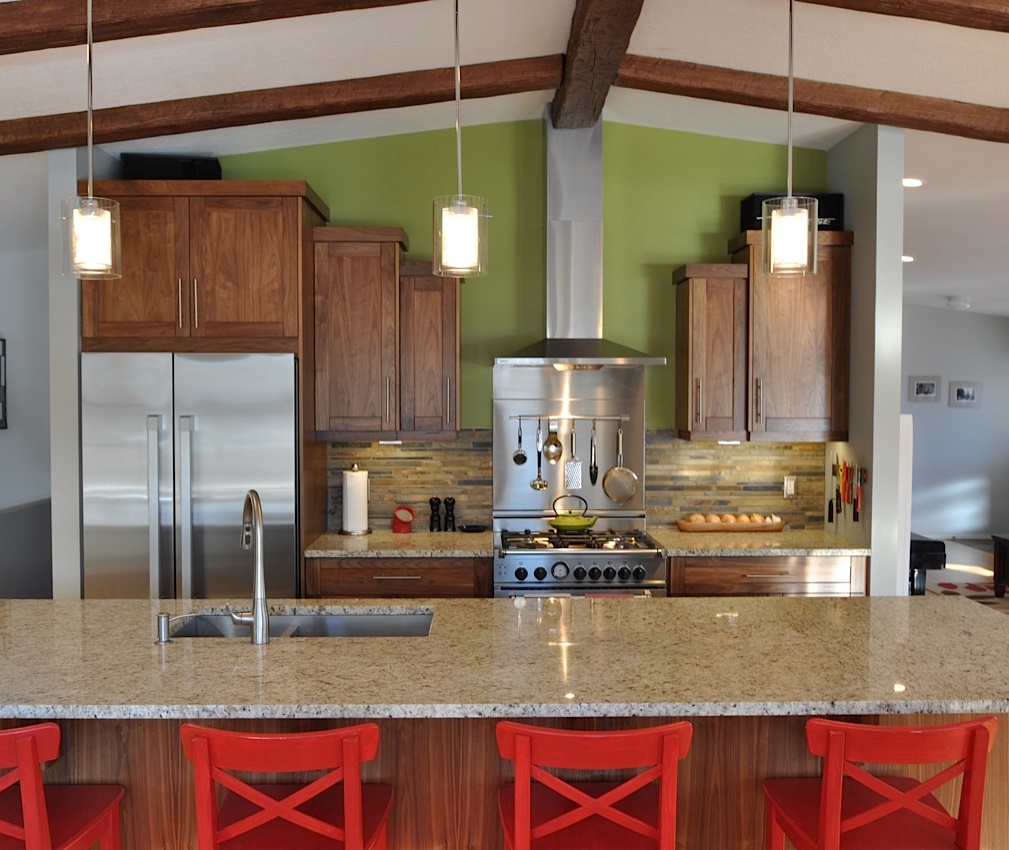
“Recognizing the need is the primary condition for design.”
Charles Eames
Our Principles
An excellent design should be sympathetic to the function, form, quality, aesthetics, surroundings, and the client’s inherent needs. Throughout the process, we always take the time to get to know our clients on a deeper level by listening and keeping them in complete control.
It is our responsibility to ensure that all project elements are in our client’s best interest at all times, without exception. Respect and caring are always observed.
Custom Design Services
At In-Awe Interiors Inc., we provide tailored design services for both commercial and residential clients. From the initial concept through to final project completion, we carefully manage each stage of the design process. This includes conceptual design, product and finish selections, visuals and plans, as well as full project management to help bring your vision to life.
In addition, we provide detailed estimates so you have the information needed to make confident, informed decisions before moving forward.

Our Clients
465+
Unique Residental Design Commercial Design Interior Design Decorating Project Management Projects to Date
A handful of our commercial projects you might be familiar with.
Avail CPA
PepsiCo Canada
County of Lethbridge
Cattleman Chophouse
Lethbridge County Airport
Masterpiece Retirement Corp
Lethbridge Visitors Centre
Mojo’s Crafted Pub & Grill
The Canadian Red Cross
South Country Village
Twisted Hair Studio
Lethbridge Casino
The Duke
The Kingsmen
Investors Group
Radiology Associates
Travelodge Lethbridge
Henderson Lake Golf Club
The Pass Golf & Country Club
Crafted Burger and Beers
Make a Wish Foundation
Lethbridge Curling Club
Lost Things Distillery
WestCan Cannabis
The Shoe Tree
Pop’s Group
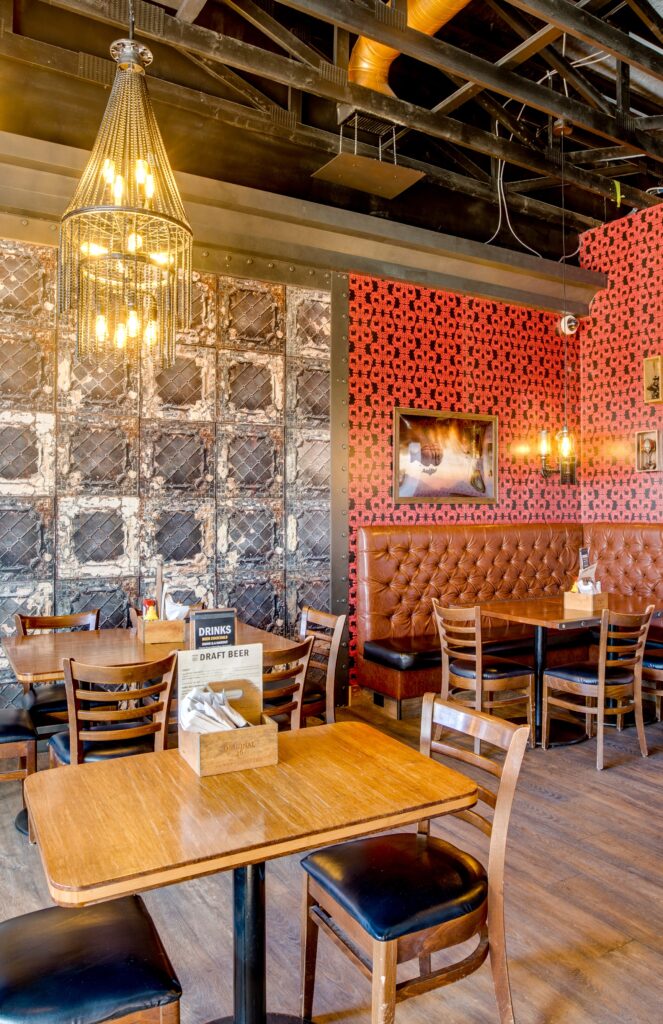
A handful of our commercial projects you might be familiar with.
Avail CPA
PepsiCo Canada
County of Lethbridge
Cattleman Chophouse
Lethbridge County Airport
Masterpiece Retirement Corp
Lethbridge Visitors Centre
Mojo’s Crafted Pub & Grill
The Canadian Red Cross
South Country Village
Twisted Hair Studio
Lethbridge Casino
The Duke
The Kingsmen
Investors Group
Radiology Associates
Travelodge Lethbridge
Henderson Lake Golf Club
The Pass Golf & Country Club
Crafted Burger and Beers
Make a Wish Foundation
Lethbridge Curling Club
Lost Things Distillery
WestCan Cannabis
The Shoe Tree
Pop’s Group

FAQ
Do I need a designer for my project?
Not every project needs a designer, but if you are making decisions about floor plans, finishes, fixtures, or how a space should function, working with an interior designer can save time, reduce stress, and help you avoid costly mistakes.
A designer is especially helpful when your project involves multiple decision-makers, such as shareholders, business owners, professionals, contractors, and trades. We help coordinate the details, keep the overall vision consistent, and make sure everyone is working toward the same outcome. This is especially valuable for renovations, new builds, commercial spaces, and projects where function, aesthetics, budget, and timelines all need to align.
Visuals are also an important part of the design process. Floor plans, concept images, finish selections, and other visual tools help clients clearly understand the direction of the project before major decisions are made. This gives everyone more confidence, reduces confusion, and helps the finished space feel intentional, functional, and aligned with your goals.
Even if you are not ready for full-service design, a consultation can be a great starting point. It gives you professional guidance, answers your key questions, and helps you understand the best next steps for your project.
What are the benefits of engaging an interior designer for my project?
Engaging an interior designer can bring clarity, confidence, and direction to your project. Whether you are planning a renovation, new build, commercial space, or residential update, a designer helps connect the overall vision with the practical decisions needed to bring the space together.
One of the biggest benefits is having a clear plan before major decisions are made. A designer can help with floor plans, finishes, fixtures, furnishings, visual direction, material selections, budgeting, procurement, and the coordination of details. This helps reduce uncertainty, avoid costly mistakes, and create a space that feels cohesive, functional, and intentional.
Interior designers also bring years of valuable experience to the process. This experience helps clients understand what to expect, what decisions need to be made, where challenges may arise, and how to make choices that support both the immediate goals and the long-term use of the space.
Project management is another important benefit. Many projects involve contractors, trades, suppliers, shareholders, business owners, and other professionals. A designer can help coordinate communication, organize details, support budget tracking and fee disbursements, manage procurement, and keep the design vision consistent throughout the process.
Ultimately, working with an interior designer helps create a space that not only looks beautiful, but also functions well, supports your goals, and feels thoughtfully managed from start to finish.
How much does an interior designer cost in Lethbridge?
The cost of hiring an interior designer depends on the size, scope, and complexity of the project. A small consultation will be priced very differently than a full renovation, new build, or commercial interior design project involving floor plans, finishes, fixtures, furnishings, coordination, and multiple decision-makers.
Some of the factors that affect design fees include the type of space, the number of rooms or areas involved, the level of detail required, the timeline, and whether the project includes coordination with contractors, trades, shareholders, business owners, or other professionals. Commercial projects may also require additional planning and communication to make sure the space supports the needs of the business, staff, clients, and brand.
Working with a designer can also help you make confident decisions earlier in the process. Visuals, finish selections, floor plans, and clear documentation help reduce confusion, avoid costly mistakes, and keep the project moving in the right direction.
Because every project is different, the best way to understand the cost is to start with a consultation. This allows us to learn about your goals, review the scope of work, and recommend the right level of design support for your project.
What is the difference between an interior decorator and an interior designer?
An interior decorator typically focuses on the look and feel of a finished space. This can include furniture, artwork, accessories, colour, styling, window coverings, and decorative details.
An interior designer looks at the space more comprehensively. A designer considers how the space functions, how people move through it, what floor plans, finishes, and fixtures are needed, and how all the details work together. Interior designers often become involved earlier in a renovation, new build, or commercial project so they can help with planning, selections, documentation, and coordination with contractors, trades, and other professionals.
There can be some overlap between decorating and design, but the main difference is scope. Decorating is often about enhancing a space that already exists, while interior design is about creating a thoughtful plan for how the space should function, feel, and be experienced.
For many projects, especially renovations, new builds, commercial spaces, or projects involving multiple decision-makers, an interior designer can help bring clarity, cohesion, and confidence to the process from the beginning.
How do I choose the best commercial interior designer in Lethbridge?
The best designer for your project depends on your business type, budget, timeline, scope, and the level of support you need. Look for a designer with commercial experience, a clear process, strong portfolio examples, knowledge of code and accessibility requirements, and the ability to coordinate with project professionals, contractors, trades, and suppliers. A strong scope of work should be provided by the designer to ensure clear communication and estimated fees.
How do I choose the best interior designer in Lethbridge for my project?
Choosing the best interior designer depends on the type of project, the level of service you need, and the designer’s experience with similar spaces. Review their portfolio, ask about their process, clarify what is included, and make sure they understand your goals, budget, and timeline.
How do you balance budget, function, and aesthetics?
A successful design should look beautiful, work well, and respect the realities of the budget. We start by understanding your goals, priorities, and how the space needs to function day to day. From there, we help identify where it makes sense to invest, where there may be opportunities to save, and how each decision supports the overall vision.
Function is always considered alongside aesthetics. A space may look beautiful, but it also needs to support the people who live, work, visit, or do business there. This includes thoughtful floor plans, durable finishes, appropriate fixtures, traffic flow, storage, lighting, comfort, and long-term usability.
Budget is part of the design conversation from the beginning. Clear visuals, finish selections, and planning help reduce uncertainty and allow decisions to be made with more confidence. Our goal is to create a cohesive space that feels intentional, practical, and polished while making the best use of the resources available.
Can interior design increase the value or usability of my space?
Yes, interior design can improve both the value and usability of a space by making it more functional, cohesive, and appealing. A well-designed space is not just about how it looks; it is also about how it works for the people who use it every day.
For residential projects, thoughtful design can help improve layout, flow, storage, finish selections, and the overall comfort of the home. These decisions can make a space more enjoyable to live in and increase the overall value of the home.
For commercial projects, interior design can support how a business operates. A well-planned space can improve traffic flow, client experience, staff productivity, brand presentation, and the way people move through and interact with the environment.
Good design helps make decisions with purpose. By considering function, aesthetics, durability, and long-term use, interior design can help create a space that feels more intentional, practical, and valuable.
What information should I have before a design consultation?
You do not need to have everything figured out before the consultation. The purpose of the meeting is to ask questions, discuss ideas, identify priorities, and determine the best next steps. Any visuals, notes, or examples you have will help us better understand your style, needs, and vision for the space.
Ideally, you will have a budget in mind and a clear idea of your needs and long-term goals. A clear timeline is helpful, as this can help the designer understand any restrictions and advise on the practicalities if a timeline is tight. Most importantly, how you want the final space to feel.
Can a commercial designer help with space planning?
Yes. Space planning is one of the most important ways a commercial interior designer can support a business project. A well-planned space considers how people move through the environment, how each area will be used, and how the layout can support staff, clients, customers, workflow, and day-to-day operations. In addition, the operational needs of the space should be assessed, understood, and implemented at an early stage of the project.
For commercial projects, space planning may include reception areas, offices, meeting rooms, retail displays, treatment rooms, storage, traffic flow, seating, accessibility, and the overall customer or client experience. It also helps identify potential challenges early, before construction, purchasing, or major decisions begin.
Visual tools such as floor plans, layout options, concept images, perspective renderings, and finish selections help shareholders, business owners, professionals, contractors, and trades clearly understand the project’s direction. This makes it easier to make decisions, coordinate details, and create a space that is functional, professional, and aligned with the business’s goals.
Should I hire an interior designer, decorator, architect, or contractor?
The right professional depends on the type and scope of your project. Each role brings a different area of expertise, and many successful projects involve more than one professional working together.
An interior decorator typically helps with the finishing details of a space, such as furniture, artwork, accessories, colour, styling, and decorative elements. A contractor manages the construction work and coordinates the trades needed to build or renovate the space. An architect is often involved when a project includes structural changes, building design, major renovations, code requirements, or permitting.
An interior designer helps connect the overall vision with how the space will function and feel. This can include floor plans, finishes, fixtures, furnishings, visual direction, material selections, and coordination with contractors, architects, trades, shareholders, business owners, or other professionals involved in the project.
For many residential and commercial projects, an interior designer can be a valuable starting point. We help clarify the scope, identify priorities, create visual direction, and coordinate design decisions so the project feels cohesive, functional, and aligned with your goals.
A designer with project management experience can be invaluable for projects that require careful coordination and control, often engaging other professionals.
Can interior design help my business look more professional or on-brand?
Yes. Interior design can play an important role in how your business is experienced by clients, customers, staff, and visitors. A well-designed commercial space helps communicate who you are, what your business values, its culture, and the level of professionalism people can expect from your brand.
Design decisions such as floor plans, finishes, fixtures, furnishings, lighting, colour, materials, signage, and visual details all contribute to the overall impression of your space. When these elements are considered together, the result feels more cohesive, intentional, and aligned with your business identity.
For commercial projects, we look at more than just appearance. We consider how the space functions, how people move through it, how staff use it day to day, and how clients or customers feel when they arrive. Visuals such as concept images, floor plans, and finish selections help business owners, shareholders, professionals, contractors, and trades understand the direction clearly and make decisions with confidence.
A professional, on-brand space can help build trust, improve the customer experience, support your team, and create an environment that feels polished, purposeful, and memorable.
Why is biophilic design important to In Awe Interiors Lethbridge?
Biophilic design is important to In Awe Interiors because we believe the spaces we live and work in should support more than appearance. They should support comfort, well-being, productivity, connection, and the way people feel as they move through a space.
Biophilic design is the practice of bringing a stronger connection to nature into the built environment. This can include natural light, plants, organic forms, natural materials, texture, views, layered lighting, calming colours, fresh air, and design choices that feel grounded, warm, and restorative.
The benefits of biophilic design can be experienced in both residential and commercial spaces. In a home, it can help create a sense of calm, comfort, balance, and connection. It can make rooms feel more welcoming, restful, and enjoyable to live in. In a commercial space, it can support staff well-being, improve the client or customer experience, strengthen brand perception, and create an environment that feels professional, thoughtful, and memorable.
For us, biophilic design is not just about adding plants or natural décor. It is about making intentional design decisions that help a space feel better, function better, and support the people who use it every day. This may include improving flow, choosing durable and natural-feeling finishes, using light thoughtfully, creating visual comfort, and designing spaces that feel connected to their surroundings.
At In Awe Interiors, biophilic design aligns with our goal of creating spaces that are beautiful, functional, and deeply considered. Whether we are designing a home, office, clinic, retail space, or hospitality environment, we look for opportunities to bring in elements that make the space feel more human, grounded, and inspiring.
What are the top 5 things I should consider before starting a commercial renovation project?
Before starting a commercial renovation, it is important to have a clear plan. Commercial spaces often involve more decision-makers, regulations, timelines, and operational needs than residential projects, so early planning can help reduce stress, delays, and costly changes.
The top five things to consider are:
- Your business goals
Think about what the renovation needs to accomplish. Are you improving client experience, creating a more professional space, increasing efficiency, supporting staff, refreshing your brand, or preparing for growth? Clear goals help guide every design decision. - Function and space planning
A commercial space needs to work well for the people who use it every day. Consider traffic flow, accessibility, storage, work areas, customer or client experience, staff needs, privacy, and how each part of the space supports daily operations. - Budget and priorities
Establishing a realistic budget early helps determine where to invest and where to simplify. A designer can help identify priorities, compare options, and make sure selections support both the overall vision and the practical needs of the project. - Timeline and coordination
Commercial renovations often involve landlords, shareholders, contractors, trades, suppliers, permits, and other professionals. Clear communication and coordination are essential to keeping the project organized and moving forward. - Brand, finishes, and long-term durability
Your space should reflect your business while also standing up to daily use. Finishes, fixtures, furnishings, lighting, signage, and materials should be chosen with your brand, maintenance needs, client experience, and long-term durability in mind.
Working with an interior designer early in the process can help bring these pieces together. Visuals such as floor plans, concept images, finish selections, and material direction help everyone understand the plan, make confident decisions, and create a commercial space that is functional, professional, and aligned with your business goals.
What are the top 5 things I should consider before starting a residential renovation project?
Before starting a residential renovation, it is important to have a clear plan. Renovations often involve many decisions, from floor plans and finishes to fixtures, budget, trades, and timelines. Planning early can help reduce stress, avoid costly changes, and make sure the finished space supports the way you live.
The top five things to consider are:
- Your goals for the space
Think about what you want the renovation to achieve. Are you looking for better function, more storage, improved flow, updated finishes, a more comfortable home, or a space that better reflects your style? Clear goals help guide each decision. - Function and layout
A beautiful space also needs to work well day to day. Consider how you use the space, how people move through it, what is currently not working, and what would make the area more practical, comfortable, and enjoyable. - Budget and priorities
A realistic budget helps determine where to invest and where to simplify. Before starting, it is helpful to identify your must-haves, nice-to-haves, and areas where you are willing to be flexible. A designer can help you make thoughtful decisions that support both your vision and your budget. - Timeline and coordination
Residential renovations often involve contractors, trades, suppliers, product lead times, and many moving parts. Clear communication and coordination help keep the project organized and reduce surprises along the way. - Finishes, fixtures, and long-term use
The materials and selections you choose should support your lifestyle, maintenance needs, and long-term enjoyment of the home. Finishes, fixtures, lighting, and furnishings should feel cohesive, durable, and suited to how you live.
Working with an interior designer early in the process can help bring these pieces together. Visuals such as floor plans, concept images, finish selections, and material direction help you understand the plan, make confident decisions, and create a home that feels functional, beautiful, and thoughtfully designed.
We would be delighted to answer any specific questions you may have. Feel free to reach out.